
Signs of a Bad Interview and How to Prepare Well for Next Time
A bad interview isn’t the end of the world, but sometimes the result of a candidate’s poor self-judgment. However, there are signs that indicate that an interview went badly, such as poor body language, one-sided conversation and more.
Sometimes, candidates don’t fail an interview but think negatively about the experience due to lack of awareness. Explore 10 signs that indicate that you failed the interview. Moreover, learn tips and the coping mechanisms one needs after a bad interview experience.
10 signs that tell you have bombed a job interview
Sometimes candidates dwell on interview answers or mistakes that are often ignored by HR representatives or recruiters. Meanwhile, many professionals lack self-awareness and couldn’t handle the stress if they get rejected after thinking that they passed the interview.
However, you can’t predict the result of an interview according to your intuition and should look after performance indicators. Sometimes a single sign of a bad interview doesn’t mean that you lost the opportunity. However, a bunch of those can indicate a potential failure.
Following is a list of signs that indicate that you blew the interview:
The interview wasn’t as long as you expected.
If you’re thinking that a short interview means a bad interview, then it’s not necessary. Normal interview meetings last in a time frame of 30 to 60 minutes. Moreover, most of the time, the duration of the interview extends when an interviewee performs well.
Sometimes, when the interview is shorter than expected, it either means that you bombed it or the recruiter lacks time. They might have to conduct several interviews and couldn’t give much time to each candidate.
Sometimes, interviewers have meetings to attend and cut the interview short, which doesn’t indicate a bad interview experience.
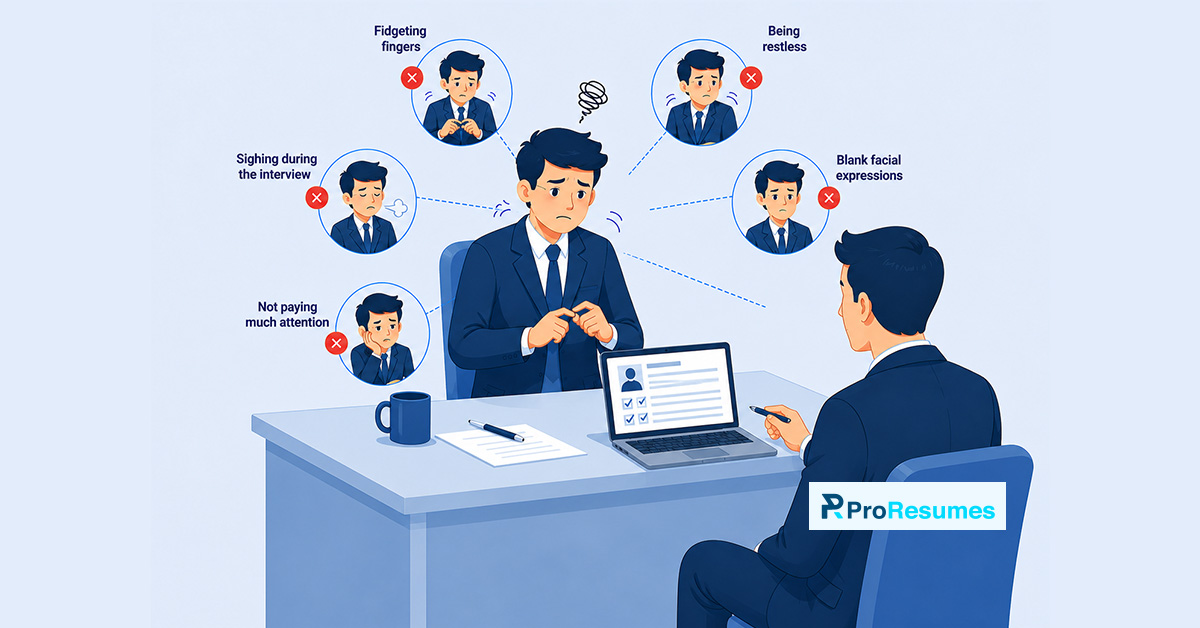
The interviewer seemed disengaged.
Sometimes the candidates can predict that they bombed an interview due to the body language of an interviewer. When the responses of a candidate don’t align with a recruiter, they seem quite disengaged.
Here’s a list of signs that can help a candidate sense the lack of a recruiter’s interest:
- Fidgeting fingers.
- Being restless.
- Sighing during the interview.
- Blank facial expressions.
- Not paying much attention.
- Not smiling.
Pro Tip: Body language alone isn’t enough to know that an interview went badly. Since some hiring managers have different demeanors, and candidates aren’t aware of them.
The interview felt like a one-sided conversation.
To avoid a bad interview, you should avoid a one-sided conversation. An interview is a chance for connection building with the interviewer to leave a lasting impression.
The interview shouldn’t feel like an interrogation where a candidate is expected to provide all answers. Instead, it should be like a conversation that helps both parties learn more about each other.
Pro Tip: Avoid a one-sided conversation by asking interesting questions from interviewers related to target roles and requirements.
The hiring manager didn’t ask about your availability.
The interviewers who consider you strongly want to confirm your availability as a top priority. The HR representative or recruiter usually confirms this to plan a job offer and lets you finish any notice period.
However, when they don’t ask about your notice period or availability, it means you’re not the perfect fit.
Pro Tip: Sometimes the recruiter forgets to ask such things so the candidate can share it themselves during the interview.
The interviewer didn’t share any further steps.
Hiring managers usually tell the candidate about the hiring timeline when they consider them strongly. However, you can sense a bad interview sign when the interviewer doesn’t talk about further processes.
Moreover, if a candidate leaves an interview without knowing the further steps, they should know how the interview went.
The interviewer didn’t ask any follow-up questions.
Many hiring managers prefer asking follow-up questions to extend the conversation and get more information. This helps them understand your personality, work style, and environment preferences better.
However, when they keep asking one question after another without asking any follow-up questions, it can be a bad interview sign.
There were only a few panelists during the panel interview.
Sometimes when you arrive at a panel interview and find limited panelists, you should be aware of the final decision. It doesn’t indicate that you gave a bad interview but that the strong candidate is already finalized.
Pro Tip: The candidate should still perform their best and try to engage everyone present in the panel of interviewers.
The job interview questions seem too easy.
Sometimes interview questions seem too easy because candidates have conducted proper research and prepared well. However, that’s not always the case. Recruiters who aren’t interested in the interview often utilize generic and easy interview questions.
Candidates can easily sense a bad interview experience when the questions don’t target the following areas:
- Experience
- Skills
- Goals
- Personality
The hiring manager didn’t promote the company and role.
Interviews aren’t just about candidates promoting their skills and services. Interviewers also sell the role and the company by highlighting various benefits.
However, sometimes they don’t provide much information because they have either selected a candidate or your answers don’t appeal to them.
Pro Tip: You can ask questions of interviewers to dig in some more company information yourself.
The interviewee froze during the job interview
Interviewers expect nervousness from candidates during the interview. However, constant blank expressions or brain freeze during critical questions can easily turn the interview into a failure.
This usually happens when the candidates aren’t aware of stress management and lack interview preparation.
Pro Tip: If you don’t want to freeze up during an interview, prepare well for open-ended and behavioral interview questions.
How to recover from a bad interview experience?
After going through a terrible job experience, candidates feel anxious and often fall into depression. However, one bad interview should not be powerful enough to ruin a professional’s morale.
This is why we prepared a list of tips that can help you move on:
Reflect on your experience
Beating yourself over a failed interview can’t redo what happened during the meeting. However, being courageous enough to reflect on your mistakes will help you avoid any bad experiences in the future.
Expert advice: If you bring a pen and notebook to the interview, utilize it for writing the questions asked by the recruiter. Even if you didn’t bring these interview essentials, try to write down the questions and answers once you get back home.
Ideally, an interview candidate should write this stuff within two hours after an interview. This will help you assess yourself and identify knowledge and expertise gaps for future improvement.
Learn from your mistakes
If you want to avoid ruining a job interview in the future, always write out your thoughts before giving an interview. This helps in focusing on STAR stories and examples you want to share to avoid a brain freeze during an interview.
This activity just doesn’t help you during the pre-interview phase but also during the post-interview phase.
Pro Tip: If you don’t have a pen and notebook, try to write your thoughts on the Notes app on your phone.
Calm your nerves
Even if you had a bad interview experience, don’t focus on self-pity and focus on the issues from your side. Similarly, many candidates are their own critics and don’t have any self-compassion.
Moving on from bad experiences after learning is the best way to grow in life or career. You should focus on strengthening positive points and improving the negative ones instead of being defensive.
Write a thank you email
Once you overcome the post-interview anxiety or depression, send a follow-up email to the recruiter. It is also known as a thank-you email that can be utilized to save the opportunity after a bad interview.
This follow-up thank-you email helps in clarifying any wrong answers that you’ve given during the interview. Moreover, one can also show interest in the role by asking for the next steps and thanking the interviewer for their time.
However, follow this example of a thank-you email after a bad interview:
Subject: Thank you for your time!
Hi [Recruiter or Interviewer’s name]
I’m thankful to get the opportunity to be interviewed for [target role]. It was a pleasure to learn interesting facts about [target company] and meet the team. I’m excited to make a meaningful contribution to your team with the addition of [primary skills]. Please don’t hesitate to reach out if you have anything further to discuss or require additional information.
Thank you for your consideration!
Best regards,
[Candidate’s name] [Candidate’s contact info]
Pro Tip: Keep your follow-up email professional and avoid getting defensive if you receive any reply.
Ask for recruiter’s feedback
Sometimes, candidates receive a job rejection after messing an interview and get depressed. Job search anxiety creeps in and they forget the most important part, which is asking for feedback.
However, getting constructive feedback helps a candidate identify the potential gap that they are unaware of. Many recruiters reply to the candidates and highlight things that they can focus on during future interviews.
Pro Tip: Candidates who ask for feedback from the hiring managers also get a closure. Sometimes they get rejected because of reasons beyond their control instead of unsatisfactory interview performance.
Prepare well in future
Interview preparation isn’t just about looking for a few common interview questions and preparing answers. It is important to check out the following factors as well:
- Have you searched the interviewers or panelists on social sites like LinkedIn?
- Have you prepared printed CV or resume copies along with other interview must-have items?
- Have you planned your route to ensure that you arrive early?
Still struggling to create a professional resume that can easily pass the automated scans? Get in touch with ProResumes and enhance your callback rate.
Can you get a second chance after a bad interview?
No, you can’t simply message a hiring manager to give you a second chance after a bad interview experience. However, most interviewers expect nerves and miscommunication during an interview and offer a second-round interview to the candidate.
This second chance comes when the interviewer sees your hidden potential and considers you a strong candidate. If you get this chance after bombing the first interview, then you should prepare well:
- Reflecting on your first interview experience is important even if it went badly. This will help bring clarity on things that you should avoid or focus on.
- Analyze the job description properly if you haven’t done it during the first interview. Observe critical requirements of the recruiter, the language, and the most-utilized keywords.
- Use AI tools for job interview preparation like Huru or ChatGPT’s free version and work on challenging questions.
- After identifying the required skills from the job description, match them with your personal stories. Moreover, use the STAR method to break down your answers in a proper framework of situation, task, action, and results.
- Conduct thorough company research by exploring online activity, recent news, trends, and current work projects.
- Also prepare some open-ended or thoughtful questions for interviewers to learn about company culture and role.
- Focus on any constructive feedback given after the first interview and show improvement in the second one.
Tips that can help you perform better during a job interview
Sensing the signs of a bad interview shouldn’t stop you performing well during the next one. Sometimes lack of interview experience and preparation can lead to poor performance instead of gaps in expertise.
Here are some expert-recommended tips that you can follow to do well during interviews:
Avoid common red flags
Sometimes, job seekers commit mistakes that are mostly due to self-sabotage behaviors. They can avoid these common interview red flags to avoid a bad interview experience:
- Arriving late at the interview venue.
- Being unprepared with zero company research.
- Demonstrating poor body language like fidgeting, slouching or avoiding eye contact.
- Choosing an interview attire that doesn’t align with company culture.
- Speaking negatively about past employers and colleagues is an instant deal breaker.
- Not asking any questions of interviewers or giving vague answers to behavioral questions.
Conduct company research
The lack of company research can be an instant interview killer for the recruiter. The candidates should prepare well by exploring any information available online regarding the company.
They should analyze the job description in detail to figure out the requirements of the recruiter. Moreover, they should research things like company culture, mission and vision statements, and top organizational values.
Pro Tip: This research will help an applicant perform well at the interview and ensure whether they are a cultural fit.
Show enthusiasm and curiosity
When a candidate shows enthusiasm for an opportunity, they let the interviewer know that they are prepared to take on challenges. Company research also helps the professional in linking the recruiter’s requirements with their talent and skills.
Always ensure cultural alignment
Job seekers often apply to a variety of job postings expecting to receive a reply or interview call. However, experts suggest professionals apply for jobs that align with their skills and experience. Being a good fit comes with better career opportunities.
Moreover, cultural alignment between a candidate and organization helps avoid a bad interview experience as well. It also enhances one’s motivation and satisfaction level if they get a job offer.
Prepare answers for common questions
Search online for frequent interview questions and related answers to learn what an interviewer could ask. It also helps in rebuilding confidence for future interviews after having a bad interview experience.
Consider a mock interview practice with a friend or family member to get more comfortable with answering. Moreover, record yourself while giving answers to learn better about your body language.
Ask interesting questions
Unsuccessful interviews are often caused by the lack of preparation and interest from the interviewee’s side. Candidates should prepare a list of interesting questions for interviewers to avoid bad interview experiences and build a lasting impression.
These interview questions can probe the role, industry, company culture, or employer expectations.
Sell your expertise effectively
When the candidate knows how to link their expertise with the company’s requirements, they pass the interview. Moreover, selling your expertise in this way helps in receiving a job offer as well.
Pro Tip: Candidates should also highlight how they can help the company grow through their interview answers. This often impresses an interviewer, and a candidate can easily avoid giving a bad interview.
Can you utilize a bad interview experience for career growth?
Many professionals think that a failed interview is a lack of talent or skills. However, one bad interview experience can work as a diagnostic tool and help you prepare well for future ones.
It helps highlight the following serious gaps that can be filled with little effort:
- Gaps in work experience and portfolio.
- Gaps in skill set and their effective usage.
- Gaps in communicating your worth effectively.
Frequently Asked Questions
Q. What are the signs that tell you that you’ve passed a virtual interview?
The structure of a virtual interview is often similar to an onsite interview except for the medium. Moreover, giving an interview through Zoom or Google Meet makes it difficult to figure out if the interview went well.
However, here are some positive signs that indicate that your online interview went well:
- They will ask you about your availability, potential start date, or notice periods.
- They will inquire about salary expectations and your current salary range.
- They will introduce potential team members and ask behavioral and culture fit questions instead of surface-level stuff.
- They might ask about your work projects in detail or ask for professional references.
Q. Is it okay to ask a recruiter for feedback after a rejection?
Sometimes, job rejection doesn’t come because you have failed an interview. It happens that the hiring manager and human resources department find someone with better cultural alignment.
However, candidates can use this chance to send a follow-up message to ask for their suggestions for improvement. If they really end up replying to it, utilize constructive criticism to fill any knowledge or skill gaps.
Q. How long should one wait to follow up after a bad interview experience?
Candidates should follow up with a thank-you email within the 24-hour time period after giving an interview. It’s important even if you had a botched interview experience because a polite follow-up can sometimes overcome what went wrong.
The follow-up emails help candidates even when they think that the interview went poorly. It leaves a lasting impression of your professionalism and curiosity in the recruiter’s mind.
Q. Should I apologize for a bad interview?
No, even if you have given an unsatisfactory interview performance, apologizing for it isn’t recommended. Since what’s done is done, however, you can send a follow-up email after overcoming the post-interview anxiety.
Instead of being sorry for the bad interview, you should clarify your answer post-interview. Moreover, candidates can also ask for feedback on their performance to improve themselves and address mistakes professionally.
Q. What are the 3 Cs of interviewing?
Confidence, connection, and communication are considered the three Cs of interviewing. If a candidate wants to avoid a bad interview experience, they should use these because:
- Confidence helps one overcome imposter syndrome and believe in their capabilities.
- Connection building helps job seekers in getting better opportunities by utilizing emotional intelligence and credibility.
- Strong communication skills help interviewees in expressing ideas and opinions clearly.