
Guide on Onsite interview: Meaning, Types, Process, Tips & Benefits
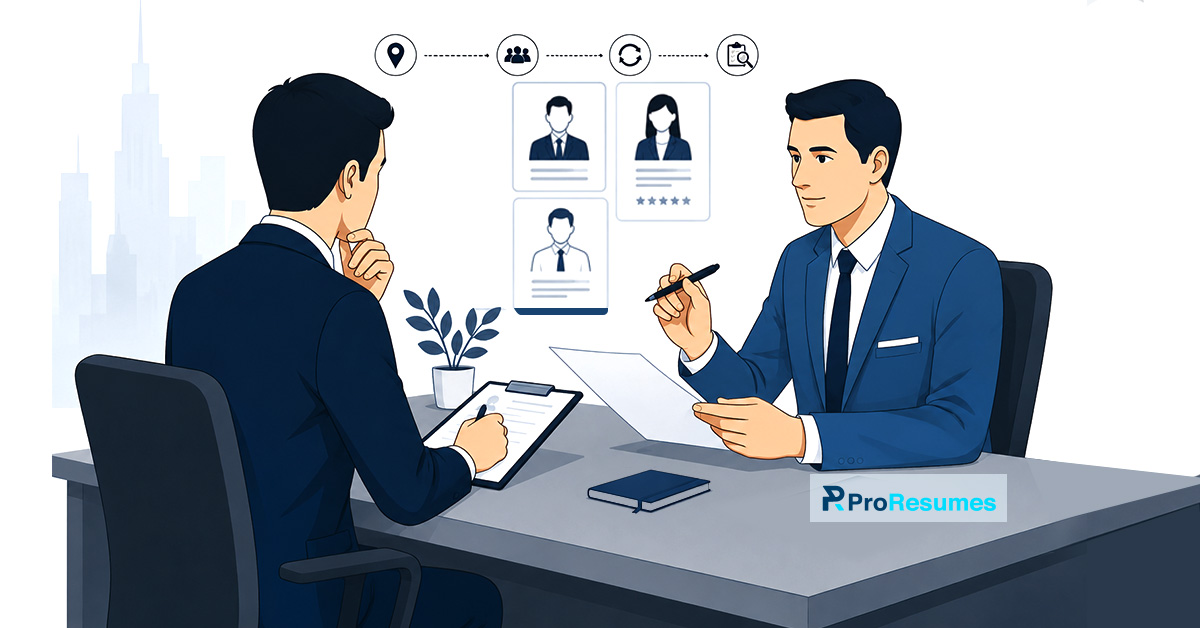
Onsite interviews are used to assess candidates’ technical skills, communication expertise, and cultural fit. They involve face-to-face interaction of a candidate with an employer that helps them show their personality and expertise.
If you’re scared of giving an onsite interview, read this guide and explore the interview types, process and benefits. Moreover, check out the tips for preparation and signs that you’ve passed the onsite job interview.
What is an onsite interview?
An onsite interview is known as a face-to-face meeting between an interviewer and a candidate. This step of the hiring process comes after a job applicant has passed the initial resume screening and phone interview phase.
It is different from phone, video, or other virtual screening interviews. The person who conducts this interview can be a hiring manager, recruiter, or HR representative.
Moreover, according to many interviewers and organizations, the onsite interview is considered the final interview in the hiring process. They use it to assess skills and whether a candidate is a cultural fit.
Meanwhile, it also offers a chance for candidates to meet potential managers and colleagues and experience the work culture. Moreover, since the onsite job interview consists of several rounds, it can be concluded within 3-6 hours or even a day.
Expert advice: Remain calm during the interview since the interviewers select the candidates who show confidence throughout the meeting.
Why do companies still conduct onsite interviews?
Many organizations include an on-site interview round in the hiring process for the following benefits:
To verify technical skills
During virtual interviews, many candidates make use of AI or other tools to give interview answers or complete a task. The in-person interviews don’t allow the candidates to cheat and verify the authenticity and impact of their technical skills.
Interviewers can use open-ended questions and assess the technical expertise of the candidate easily.
To assess the cultural fit
When the candidates are invited for onsite interviews, they can judge the company culture better. They get the chance to meet potential team members and understand the work environment better.
The on-site interviews that include office tours and lunch interviews offer this exposure. This makes it easier for both the interviewers and interviewees when making their final decisions.
To assess communication skills
The main purpose of having a face-to-face interview is to evaluate the communication skills of a person. Moreover, interactions with potential colleagues make the entire interview process easier for the candidates.
What are the different types of onsite job interviews?
The following are the main types of onsite job interviews that a job seeker must be aware of:
One-on-one interview
This is considered the traditional interview where a candidate is expected to interact with a single interviewer. The interviewer analyzes your ATS resume and asks questions related to the role and the candidate’s expertise.
Haven’t received a single interview call but still waiting for one? You have to work on your resume and optimize it for the Applicant Tracking System (ATS). Resume writers at ProResumes can help you achieve a good ATS score and also offer a satisfaction guarantee.
Panel interview
During an onsite panel interview, the candidate is often a part of the meeting with multiple interviewers. These interviewers assess a candidate on various bases and according to their department’s needs.
In this panel of interviewers, professionals like recruiters, hiring managers, executives, and human resources (HR) professionals interview the candidate.
Pro Tip: When you are questioned by a specific interviewer from the panel, direct your answer to them.
Technical interview
This type of onsite job interview is utilized when the hiring manager or HR professionals want to assess one’s hard skills. These interviews are usually conducted for healthcare, information technology, science, and engineering work positions.
Pro Tip: To perform well in such interviews, one must practice the hard skills on their resume before appearing for the interview.
Behavioral interview
The behavioral interview is a type of on-site interview that evaluates how someone behaves in a certain situation. These interview questions are unlike the simple ones asked during traditional interviews. They can be open-ended and require the candidate to use STAR stories to answer them.
Pro Tip: Your answers should reflect how you could help the organization if you face a similar situation.
Case study interview
The case interviews are used to assess the practical skills of a candidate while solving a business problem. Such interviews are conducted onsite and often utilize frameworks and techniques for solving case studies.
Presentation interview
It is a task during the hiring process where a candidate is expected to present a case study or a topic. It is often utilized during onsite interviews for consulting or teaching roles.
Group interview
Group interviews that are conducted in-person mostly consist of multiple interviewees with one or more interviewers. Such interviews are mostly conducted in the hospitality or retail industries to save time and recruitment resources.
Are you expected to appear for a group interview soon? Learn how to ace one by learning how to give an interview in a group.
How many elements are included in the usual process of an onsite interview?
If you are interested in learning what happens during an in-person interview, check the following process:
Interview venue check-in
The interviewee should check in at the meeting venue fifteen or twenty minutes before the interview time. This will help with parking, finding the meeting room, or reviewing notes.
Pro Tip: The interviewee should inform the organization or interviewers of their late arrival if any issue arises. They can call, use a voicemail, or email for follow-up as well.
Meeting with interviewers
The candidate’s day depends on the interview structure prepared by the target organization. They might have one-on-one or group meetings with potential team members, hiring managers, and recruiters.
Multiple interview rounds
Many onsite interviews consist of multiple rounds of interviews with different interviewers. Organizations use these criteria to assess the candidate through different perceptions and skills tests.
Office tour
The onsite job interviews by many organizations include an office building, laboratory, or plant tour as well. This helps the candidate experience the work environment and culture.
Lunch interview
These steps include having lunch with one or multiple potential team members, where interviewees answer several questions. However, this step is rarely utilized by organizations.
Final meeting with HR professional
This is often an interview wrap-up session that allows the interviewees to interact with HR professionals who explain the next steps. This step comes after the skills assessment and verification of professional references and academic documents.
Expert advice: The candidate might have to answer the same question to different people during the multiple rounds of interviews. They should show enthusiasm while answering like it’s the first time.
How can job seekers prepare themselves to ace an onsite interview?
If you want to pass a coming interview, here’s a list of 9 onsite interview preparation steps:
Analyze the job description
To start with the preparation, read the job description and analyze the main points and requirements in it. Filter out the main keywords, skills, and details that can be incorporated into interview answers.
Pro Tip: Write the details from the job description in the notebook that you will bring to an interview. This will help you remember the details and let the hiring manager know that you’re the most suitable candidate.
Conduct thorough company research
It is important to prepare yourself for an in-person interview by carefully researching the company’s online presence. You can also include the company details within the following sections in your interview notes:
- CEO and management team members
- Company culture
- Mission and Vision statements
- Products and Services
- Organization’s history
- Target audience
- Recent company projects
- Company news
- Main competitors
Pro tip: If it’s possible, learn about the professional who will interview you to turn the tables in your favor.
Prepare for common interview questions
How to gain interview confidence? Study and prepare yourself for the common onsite interview questions in advance. You can search online for onsite interview questions and sample answers for the following categories:
- General Questions
- Behavioral Questions
- Technical Questions
- Leadership Questions
- Situational Questions
You can also do a mock interview with a friend and prepare your own answers for each question in advance. Moreover, you can also record yourself to assess your body language or answer timing.
Expert advice: Don’t memorize the answers to common interview questions since the session is required to be conversational.
Moreover, if you don’t know the answer to an interview question, accept it politely. Interviewees should avoid bluffing and making things up.
Prepare some questions for the interviewer
While you research the common interview questions and answers, you should also prepare some for the interviewers. You can use these to learn more about the job, company culture, and the employer’s expectations.
Remember, having zero questions for the interviewer is considered an interview red flag. Moreover, the candidates can wait for the end of the interview to inquire about the following:
- What are your expectations regarding the target role for the next six months?
- What does a typical day sound like for [target position] at your company?
- How long have you worked at this organization, and what’s the best part of its culture?
- What are the top priorities of the team for now?
- What is the method of measuring success for [target role]?
Ask for the interview details in advance
Many organizations provide interview details in an email before the meeting. However, if you still haven’t received that email, then you can email or even call the organization and learn the following:
- How many interviewers will interview you?
- What are the names and job titles of interviewers?
- How long will the on-site interview last?
- What will be the interview format?
- What should you bring to the interview?
- What and where is the interview building or unit?
Arrive early at the meeting venue
A few days before the interview, the candidate must ensure the availability of a good vehicle and plan their route. The candidate should check traffic conditions and the distance of the venue from their home.
This will help them arrive 15 or even 20 minutes before and have enough time to:
- Find the parking area.
- Find the interview room.
- Revise their notes.
Have a good sleep before the interview
The candidates should sleep early the night before their in-person job interview to have enough rest. This will help them avoid any morning anxiety and remain calm and focused throughout the interview.
Figure out the onsite interview dress code
It is important to figure out how you should dress for the on-site interview to make a lasting impression. You can easily find the dress code by analyzing the company culture.
Moreover, here’s how you can choose your interview outfit according to the company’s environment:
- Corporate jobs: The dress code for such roles is business professionals that include formal outfits like well-fitted suits and button-down shirts. The interviewees can choose from colors like black, grey, and blue.
- Tech-based or creative roles: The dress code for these professionals is business casual. The interviewees can appear in dress pants, skirts, button-down blouses, and shirts.
Pro Tip: To have a polished look, pair a blazer with your casual onsite interview attire.
Prepare all your interview must-haves
The job applicants should inquire about the interview essentials or bring the following items to the interview:
- Printed CV or resume copies
- Cover letter
- Work Portfolio
- Identification documents
- Professional references
- Pen and notebook
- Watch
- Water bottle
- Phone charger
- Tissue papers
- Breath mints or mouth freshener
Pro Tip: Avoid bringing any snacks or wearing heavy perfume to the interview.
Be calm and confident during the interview
Appearing for a face-to-face interview with a hiring manager can be scary for new job applicants. However, one must prepare everything in advance to remain calm at the moment.
Candidates can do the following to feel confident:
- Have a healthy breakfast
- Do some meditation
- Listen to some light music
- Talk to a friend
Best onsite interview tips for job seekers in 2026
Here’s a list of a few onsite interview tips that can help you ace it:
Show interview confidence
You need to let the interviewer know from your nonverbal and verbal attitude that you’re prepared and enthusiastic. Even if you have to sit through multiple interview rounds, ensure that you perform your best.
Use the STAR method
The STAR method helps you share your professional stories and answer behavioral questions at on-site interviews. The structure breaks the answer into elements like situation, task, action, and results. This interview question-answering technique helps an interviewee stay on track.
Utilize breaks between interviews
When you have an in-person interview with different interviewers and multiple rounds, you get a few breaks. The interviewees can use these breaks effectively by:
- Using the restroom
- Drinking water
- Eating a snack
- Reviewing notes
- Gathering thoughts
Ask what’s next in the interview process
Once the interview is finished, the applicants should inquire about the next steps in the hiring process. These details will help one understand when to expect a response and get the onsite interview follow-up timeline.
According to the norm, employers follow up with potential candidates within 6 to 10 days after the interview. If they don’t follow up themselves, the interview candidates can send an email to inquire about the next steps after two weeks.
Follow up with a thank you email
After the interview, the applicants should show enthusiasm for the opportunity and thank the interviewers for their time. They can also use the following thank-you email template for an onsite interview:
[Subject line]
[Personalized greeting with interviewer’s name]
[Note of appreciation to thank them for their time]
[Include a recap of your qualifications and expertise]
[Inquire about the next steps in the hiring process]
[Regards]
[Your contact no and email address]
What are the common onsite interview mistakes to avoid in 2026?
If you want to make the best of your onsite job interview round, then you should avoid these interview red flags:
Arriving late or too early
An in-person interview is a candidate’s best opportunity to make a lasting impression. However, one can create a positive impact by being punctual and arriving at the venue 15 minutes before the interview.
Moreover, it’s important to avoid appearing an hour before the interview timing since that can backfire as well.
Not asking any questions
A candidate should prepare some questions for interviewers in advance that might include general questions. Since you don’t ask questions, you end up showing a lack of interest in the opportunity, role, or company.
Demonstrating poor body language
Fidgeting with your fingers, avoiding eye contact, and slouching are considered poor body language. To do well at your onsite interview round, you should sit properly, make eye contact with the interviewer, and more.
Asking about salary too early
You should never ask about salary before a recruiter raises a question about your salary expectations. It is a big interview red flag, and the candidates should avoid it at all costs if they want the job.
Appearing with poor interview preparation
It is important to be aware of the organizational details before appearing for an on-site interview. Your preparation helps the interviewer evaluate your commitment to the role.
Talking negatively about past employers
You should never talk negatively about your past employers or even colleagues while sharing the reason for leaving your previous job. Hiring managers don’t prefer hiring candidates who talk negatively about other professionals behind their backs.
Boasting or being overconfident
We discussed earlier that one should show interview confidence to make a great impression on the hiring manager. However, being too overconfident can also kill your selection chances easily.
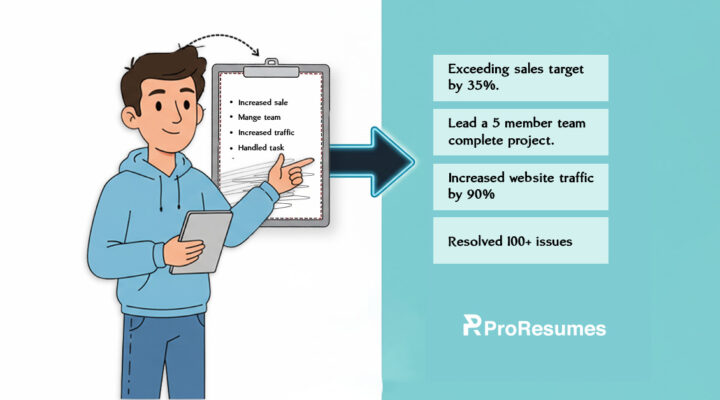
Expert tip: Don’t oversell yourself during a face-to-face interview with vague statements. Instead, use facts and quantify your achievements according to that. It is similar to quantifying your achievements in a professional resume.
6 Signs that indicate that an onsite interview went well
Here’s a list of signs that candidates can observe to ensure that they passed the on-site interview:
Quick response to follow-up message
The interviewer or employer replies quickly to your follow-up thank-you email because they don’t want to lose you. This is often a clear indication of selection since employers rarely reply to follow-up emails.
Inquiring about any notice period
The candidates who are not considered for a job are never asked about any notice period or their availability. However, if you have been asked about one, then you’ve surely passed the onsite interview.
Inviting for a follow-up interview
A follow-up interview happens in rare cases when the hiring manager has difficulty in choosing a single candidate. If you’re requested for another interview, then it means you’re strongly considered by the management.
Contacting your professional references
Recruiters only contact the references of candidates who are strongly considered and have cleared their interviews. Since the background check is a time-consuming task, employers only consider it when a candidate is finalized.
Discussing salary expectations
The interviewers never bring up the topic of salary and inquire about the applicant’s expectations unless they are considered. Your expectations usually help the HR team and hiring manager in creating a job offer for you.
Increasing the timing of the interview
When the time of the interview is increased, it is usually considered a good sign since the interviewer needs more information.
Key Takeaways
- Onsite interviews are different from phone or virtual interviews since they involve face-to-face interaction.
- In-person interviews are often considered final interviews required to assess cultural fit and give candidates exposure to the work environment.
- The process of an onsite interview includes multiple interview rounds, office tours, lunch interviews, and more.
- To prepare for an on-site job interview, one should research the company, prepare for common questions, ask questions, and prepare interview must-haves.
- Candidates can use STAR stories, write thank-you emails, utilize breaks, and be confident to make the best of their interview.
Frequently Asked Questions
Q. What is the difference between a virtual and an onsite interview?
Virtual interviews are a type of interview that is not conducted in person but online. The organizations and job candidates utilize various video-conferencing software for this, including Zoom, Google Meet, and Microsoft Teams.
Meanwhile, the onsite interviews are conducted when the candidate and hiring manager come face-to-face. These interviews are different from virtual ones since the interviewer can notice the applicant’s body language and non-verbal cues easily.
Moreover, this type of interview is considered a typical part of the hiring process.
Q. How to handle a 4-hour onsite interview?
The in-person interviews that usually last for four to six hours are particularly for technical positions, specifically IT. Such interviews consist of multiple interview rounds with HR professionals, recruiters, managers, and often a panel of interviewers.
To pass such interviews with ease, one must treat them as normal meetings or face-to-face interactions with organizational representatives. You should leave a good impression by preparing yourself according to the initial screening or first interviews.
Moreover, if you haven’t had a second interview where the hiring manager usually tests technical skills, you might get assessed now.
Q. What type of expenses are included in the travel reimbursement policy for onsite interviews?
Several organizations have a travel reimbursement policy for applicants to appear for in-person interviews. Here’s a list of expenses usually covered by the organizations for calling someone to an on-site interview:
- Flight expenses: The organizations mostly cover the expenses of a flight to and from the location of the company for interview candidates. Moreover, during the time of interview scheduling, the applicants can discuss details like the following:
- Airline selection
- Date and timings of the flight
- Accommodation expenses: If an interviewer wants an applicant to appear from another state, city, or even country, they should offer accommodation. Many organizations provide hotel accommodation for the candidates if they give travel reimbursement to invite them for an on-site interview round