

Know About and Become a Pioneer in the Software Engineering Career
The Information Technology (IT) industry is expanding, and the demand for software engineering careers is booming. Now, the game of getting hired for an entry-level IT job is not a cup of tea. It is all about the career or job roadmap. Have you ever thought about what it takes to start a career in software engineering and become a leader in the field?
From educational decisions to career hurdles and success, ProResumes’ DIY resources guide you through the skills, career path, and mindset you need to not only thrive but also lead the IT job market.
What is Software Engineering?
In academic terms, software engineering is a discipline of engineering or a branch of computer science that deals with the initial design, full-stack development, QA testing, deployment, and maintenance of software applications. In professional terms, software engineering is the application of engineering methods, principles, and tools to the lifecycle management of software systems.
From mobile applications to AI-driven platforms development, the discipline of software engineering spans multiple specializations, including website development and management, systems programming, cloud computing, and embedded systems.
How to Become a Solutions-oriented Software Engineer in 2025?
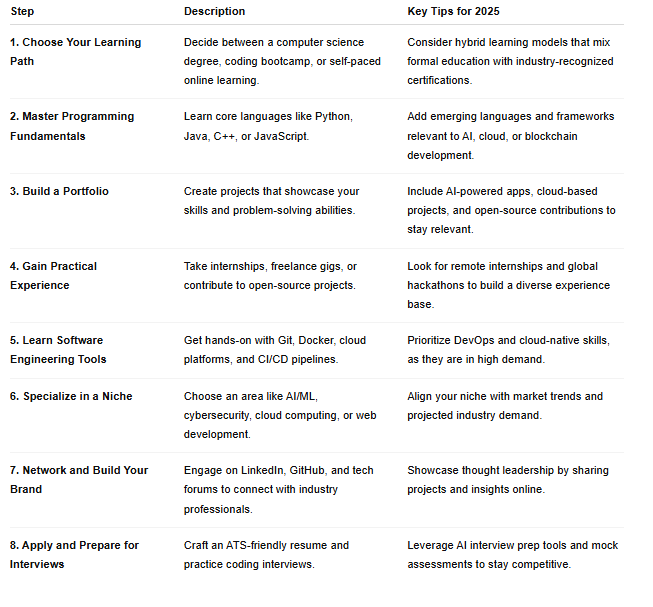
Landing a software engineer position depends on your educational level, along with a software engineering resume and other career documents. 2025 has set new standards for competition in tech jobs. To start a software engineering career, you require a combination of foundational knowledge of IT tools and principles, in-demand or emerging technical skills, and essential soft skills. The IT field is constantly and rapidly evolving, so continuous upskilling, adaptability, and preparation are crucial for success.
- Education and Foundational Knowledge
Enroll yourself in a good institute to get a Bachelor’s degree in computer science. With the increasing demand for software engineers, completing a bachelor’s degree and related courses will leave a good impression on recruiters. Additionally, coding bootcamps and certifications are a great source of learning. Moreover, you can secure a career in software engineering without a degree as well.
- Pursue an Internship During Your Degree
The smart career strategy in 2025 is the real game-changer in landing any job 4x faster. An internship during a degree will increase your chances of selection in the software development career path.
- Portfolio Development
Develop and document a strong portfolio of your completed projects. Make your GitHub account to build and share a software engineering portfolio.
- Upskilling and Informational Interviews
Don’t stop learning before and after the job. The software engineering career scope and requirements keep changing per technical innovations. With the involvement of Artificial Intelligence (AI), every industry and profession is observing dramatic change; therefore, you need to prepare yourself to align with emerging trends in the IT industry.
The online free and paid courses, along with informational interviews from industry experts and leaders, can set you apart from the rest of the competition.
What is the Career Path for Software Engineers?
The career path for an engineer is dynamic and offers a variety of opportunities for professional development and career growth, both in technical expertise and leadership. You can continue as an Individual Contributor (IC) and a Management professional.
Typical Progression on the Individual Contributor (IC) Track
- Junior Software Engineer (0-2 years experience)
- Mid-Level Software Engineer (2-5 years experience)
- Senior Software Engineer (5+ years experience)
- Staff/Principal/Distinguished Engineer (Varies, often 8+ years experience)
Typical Progression on the Management Track
- Tech Lead (Varies, often 5+ years experience)
- Software Engineering Manager (Varies, often 7+ years experience)
- Director of Software Engineering
- Vice President of Engineering / Chief Technology Officer (CTO)
Is Choosing a Software Engineering Career a Good Idea?
Yes, choosing a career in software engineering is a compelling idea because it is, and will remain a highly sought-after and rewarding field. The present and future are all about IT, technology, and innovation. The benefits of job opportunities in software engineering are a combination of job market stability, financial rewards, and the nature of the work itself.
- High Demand and Job Security
- Competitive Compensation
- Problem-Solving and Creativity
- Flexibility and Work-Life Balance
- Continuous Learning and Growth
ProTip: Software engineering as a career path is a great choice, but becoming a pioneer in the IT field is full of challenges. The job market, from entry-level to senior-level positions, is highly competitive. However, for those who are passionate about learning, technology, innovation, problem-solving, and leveraging the best career strategy, the rewards are immense.
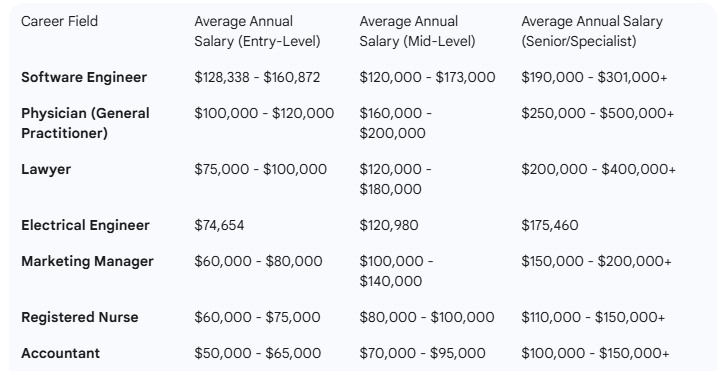
Pay Comparison: Software Careers vs. Other Industries (Indicative 2025, U.S.)
The jobs in the tech industry offer a highly competitive and rewarding compensation structure, especially when considering the shorter educational timeline and rapid potential for growth. The salary comparison data is a general overview, and salaries may differ significantly.
What is the Scope of a Software Engineering Career?
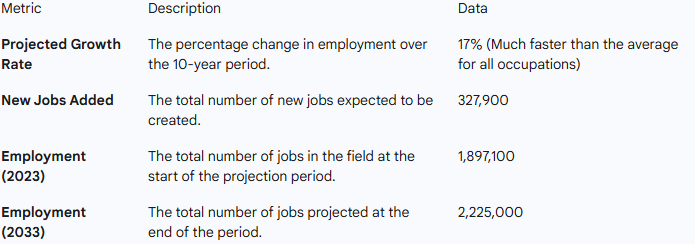
Software engineering isn’t just a job; it’s one of the few careers shaping the future of every industry. Therefore, the scope of this industry is broad and is expected to expand further in the coming years. The increasing integration and adaptation of technology into every aspect of business and life is improving the job scope for software engineers.
Projected Job Growth for Software Development Roles (2023-2033)
Most Trending IT Job Roles in 2025
- AI/Machine Learning Engineer
- Cloud Solutions Architect
- Full Stack Developer
- Cybersecurity Engineer
- Data Engineer
- DevOps Engineer
- Blockchain Developer
Is there any Impact of AI on the Software Engineering Landscape?
Yes, AI is impacting every industry. There has been a lot of discussion about replacing software engineers with AI, but the truth is that AI can only transform or reform the industry.
What Professional Documents & Profiles Do You Need to Land a Job as a Software Engineer?
To land an interview 4x faster, you need an ATS-friendly software engineer resume, an optimized LinkedIn profile, a professional letter, and thorough interview preparation. These are the pillars of securing a new job, changing careers, applying for a promotion, or pursuing your first role after graduation.
There are countless service providers for these services, but ProResumes advises selecting those whose writers are certified, industry experts, and provide high-level guidance throughout the process.
Conclusion
A software engineering career from 2023 is offering unmatched career growth opportunities, and the outlook for 2033 is even more promising. Now, 2025 is the best time to learn the latest AI trends in software engineering to prepare yourself for the future competition and technologies in the IT job market.
If you are looking to become an expert and a pioneer in the IT industry, the right career development strategy should be your top priority, along with a well-structured approach to education, portfolio development, networking, and personal branding.